BPaL Regimen for MDR-TB
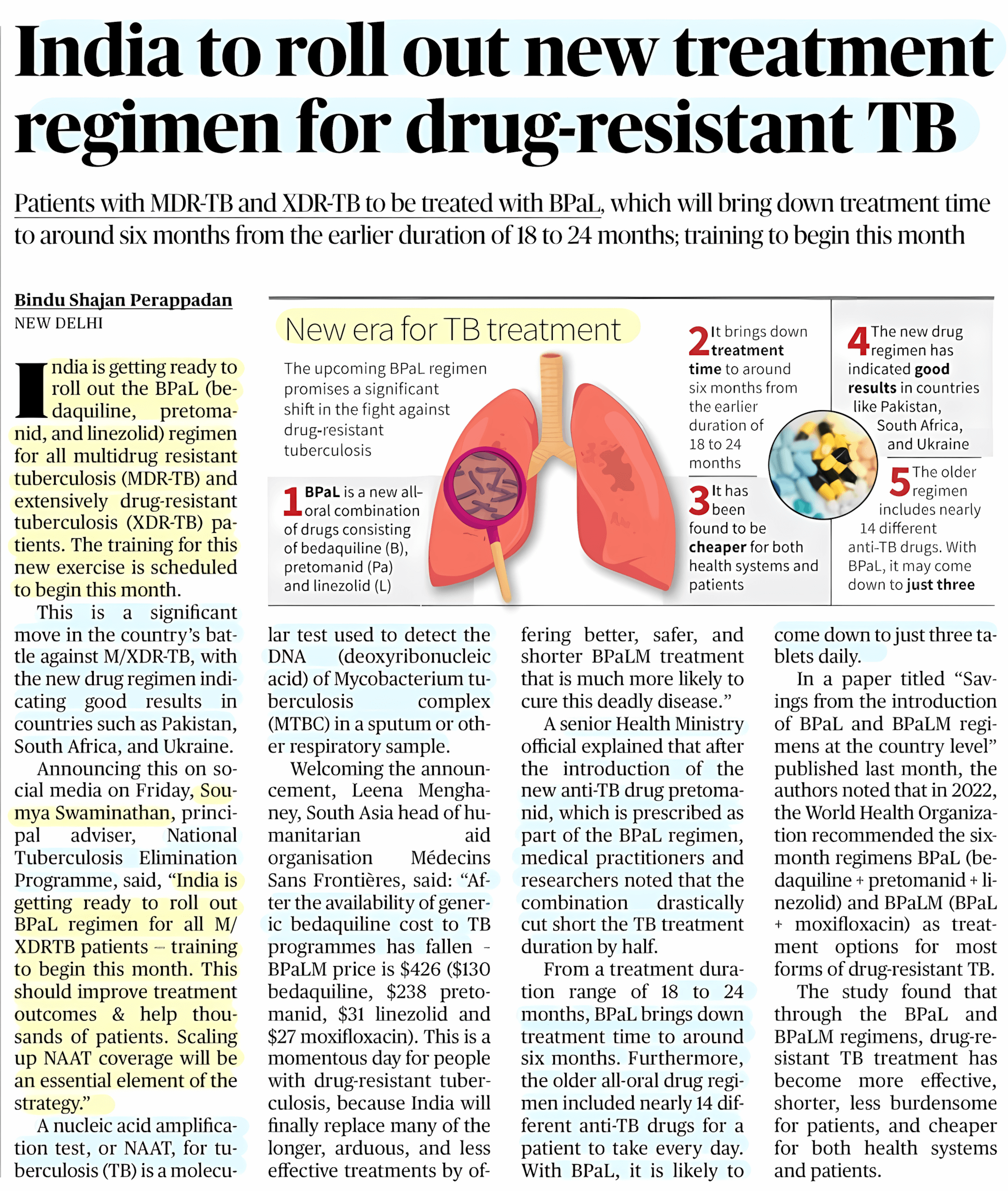
The Union Health Ministry has approved the introduction of a new treatment regimen for drug-resistant tuberculosis in India.
The BPaLM regimen consisting of four drugs:
- Bedaquiline
- Pretomanid
- Linezolid
- Moxifloxacin
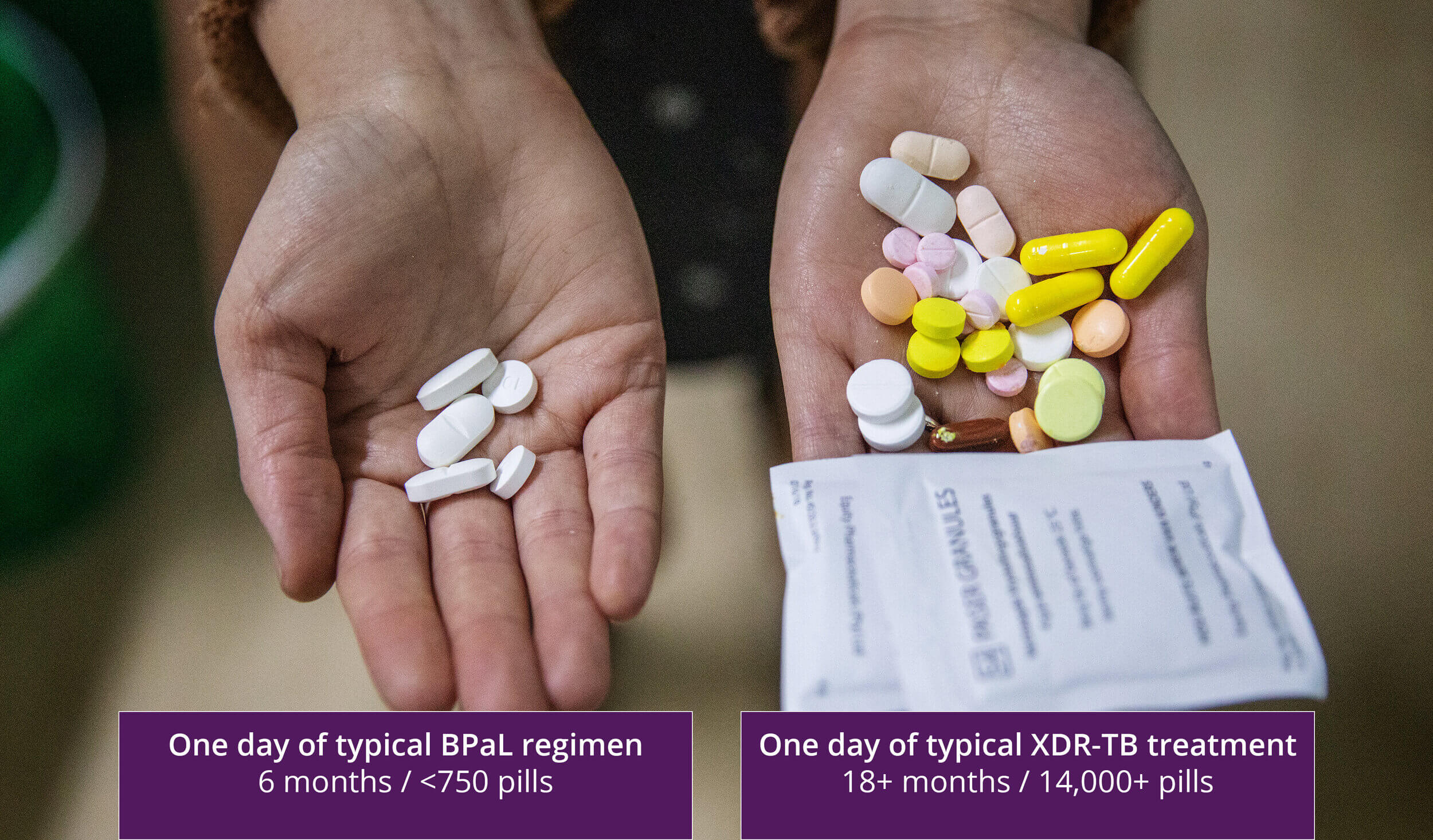
It has proven to be a safe, more effective and quicker treatment option than the previous Multidrug-Resistant Tuberculosis (MDR-TB) treatment procedure. For MDR-TB and RR-TB, BPaL is to be followed and Moxifloxacin is added in cases of Pre-XDR-TB. The regimen is all oral and has a reduced duration of only 6 months!
How is this an improvement?
Earlier regimens include the long (conventional) and short course regimens. The long course regimen consisted of multiple drugs such as Levofloxacin, Kanamycin, Ethionamide, Cycloserine, Pyrazinamide, Ethambutol and lasted for 24-27 months!
The short course on the other hand saw a substantial reduction in the treatment duration thus increasing patient compliance. The short regimen prolonged for a duration of 9-11 months.
Now, the new BPaLM regimen is of only 6 months, thus pioneering India towards realising its TB-free dreams!
Goals in Mind
The Ministry of Health says that the country is working towards TB elimination by 2025, five years ahead of the global target (2030) for eliminating the disease under the Sustainable Development Goals. As part of these efforts, newer drugs such as Pretomanid are being added to regimens in order to increase efficacy and improve compliance to the regimens by decreasing the duration.
Some Pharma :(
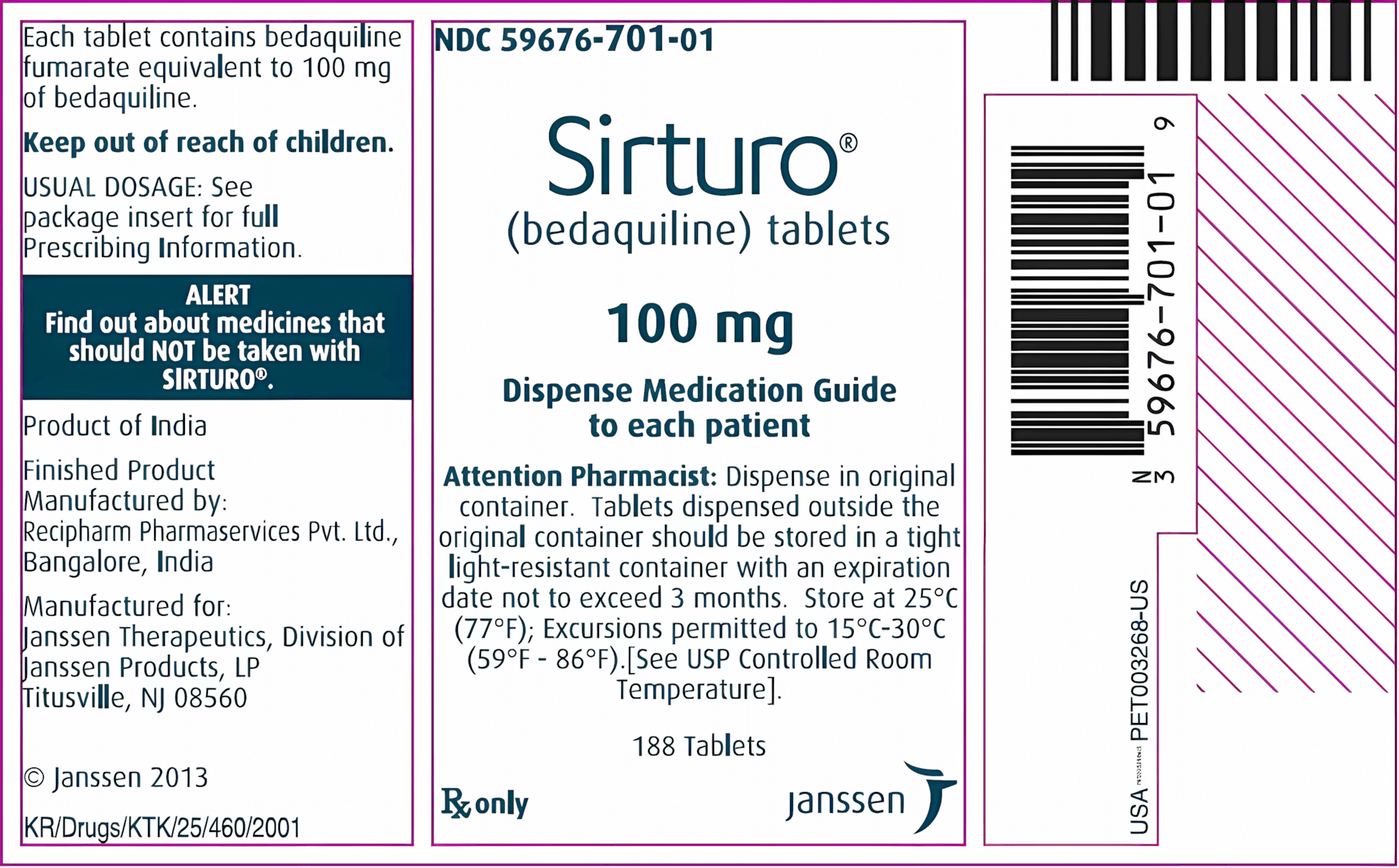
1. Bedaquiline
Bedaquiline (BDQ) inhibits ATP generation in Mycobacterium tuberculosis by interfering with the F-ATP synthase activity. This leads to an impaired energy production and thus has a bactericidal action.
Dose of BDQ in BPaLM: 400 mg daily for 2 weeks, followed by 200 mg three times weekly for 24 weeks.
Adverse effects: Chest pain, hemoptysis, dark-coloured urine, decreased appetite, fever, pale stools and yellowish discoloration of skin.
2. Pretomanid
Pretomanid is a nitroimidazooxazine drug that treats tuberculosis (TB) by inhibiting the synthesis of mycolic acids (specifically ketomycolic acid) and blocking the production of mycobacterial cell wall.
Dose in BPaLM: 200 mg daily for 26 weeks.
Adverse effects: peripheral neuropathy, acne, anemia, nausea, vomiting, dyspepsia, hepatotoxicity.
3. Linezolid
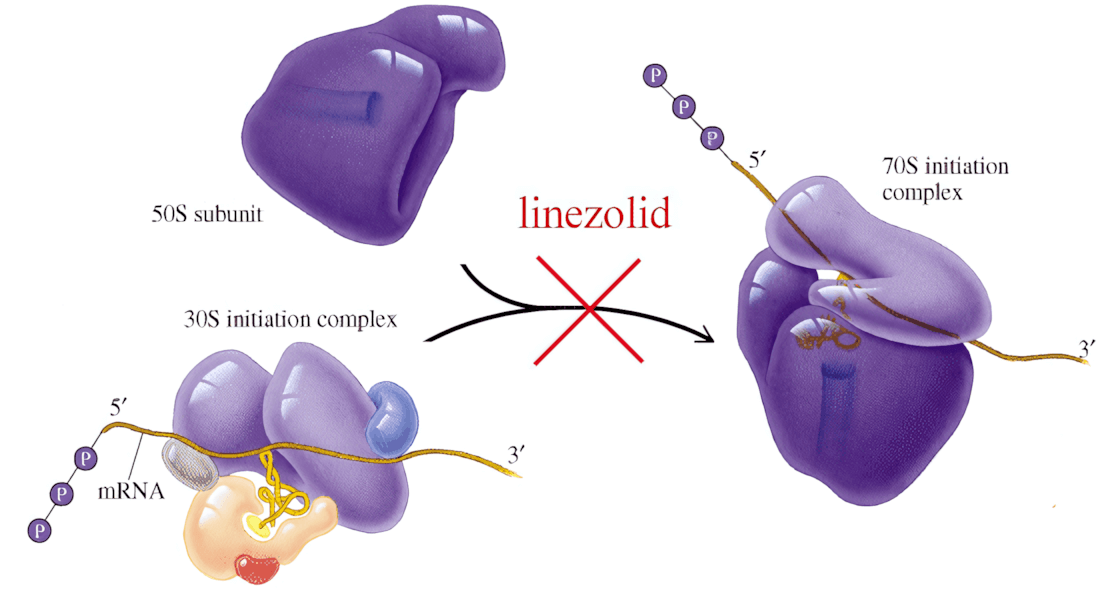
Mechanism of action: Linezolid attaches to a site on the bacterial 23S ribosomal RNA of the 50S subunit, preventing the formation of a functional 70S initiation complex thus preventing protein synthesis.
Dose: 1,200 mg daily with dose adjustments to 600 mg daily and further reduction to 300 mg daily or interruption of dosing as necessary for linezolid-adverse reactions of myelosuppression, peripheral neuropathy and optic neuropathy.
Adverse Effects: decreased platelets, hemoglobin, white blood cell counts, headache, nausea, diarrhea, elevated pancreatic enzymes, elevated liver function tests, and neuropathy.
Implications
In 2022, an estimated 410,000 persons (95% UI: 370,000-450,000) will have developed multi-drug resistance or rifampicin resistant tuberculosis (MDR/RR-TB).
Out of 5 patients started on MDR-TB conventional regimen, only 2 are fully compliant to the regimen.
Introducing a new 6 month regimen will increase compliance exponentially, thus decreasing active, recurrent and latent cases of TB in India and propelling our country one step closer to the elimination of this dreaded disease!
References
- Newspaper picture from The Hindu
- Deepak V, Abhay G, Sweta S, Rathod AS. Multi-Drug Resistance Tuberculosis (MDR-TB) Challenges in India: A Review. Cureus. 2023;15(12).
- https://www.healio.com/news/infectious-disease/20220516/linezolid-dosing-as-part-of-threedrug-regimen-for-drugresistant-tb
 Amitesh
 Dhiren Bhardwaj
Content of this page is licensed under CC BY-NC 4.0.