Time's Kid of the Year 2024
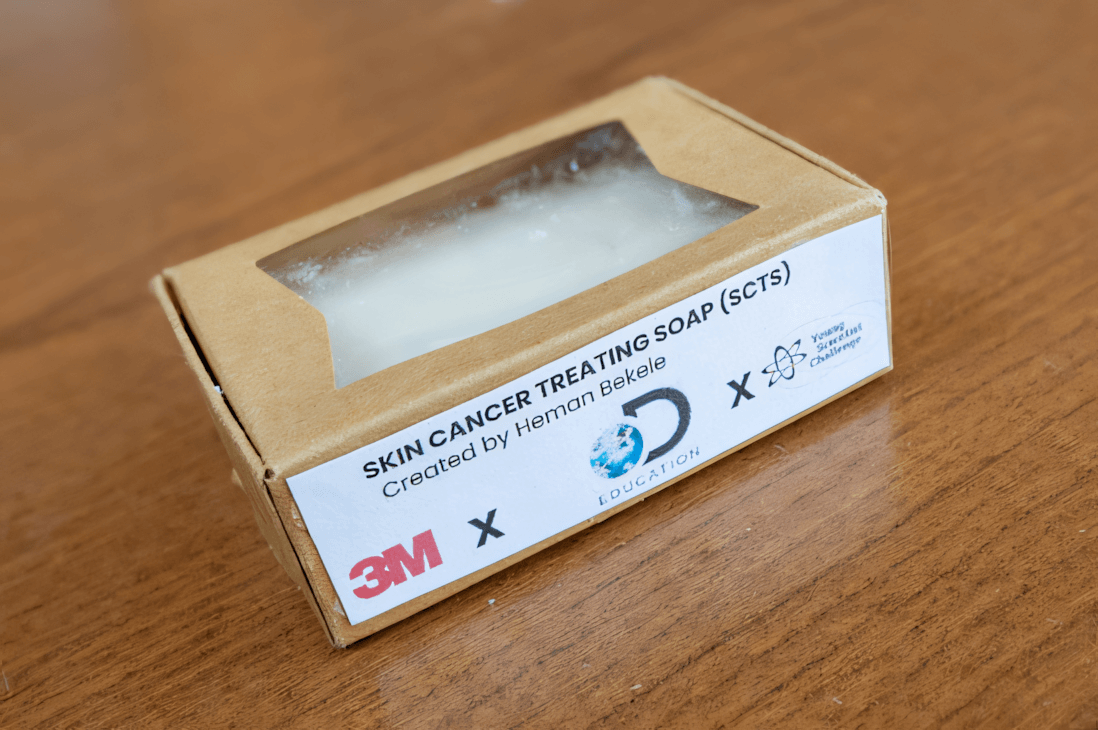
Heman Bekele, a 15 year old boy of Ethiopian origin from Virginia, USA was chosen as the Time magazine’s kid of the year for 2024 for his contributions to cancer research for having created a soap that could “transform skin cancer treatment”.

Drug in Bekele’s Soap:
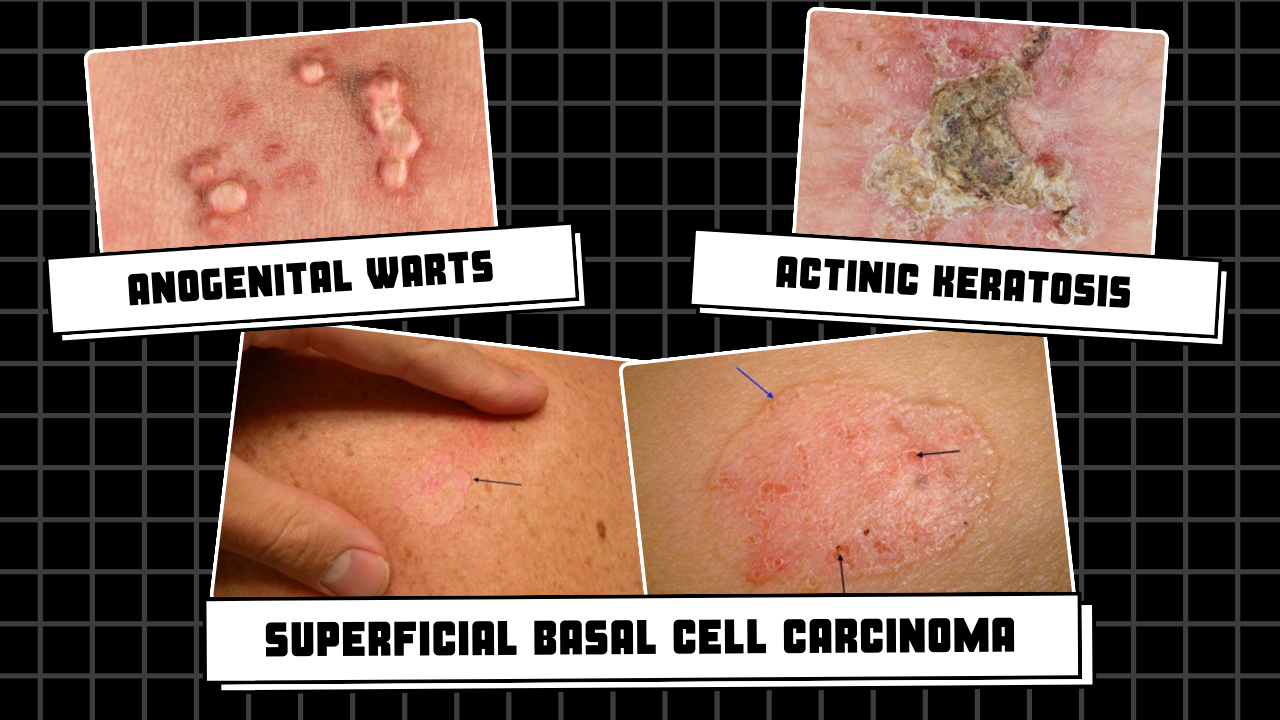
Imiquimod is the primary drug in Bekele’s soap formulation of which he learnt about during his study on skin cancer. Imiquimod is currently being used and is FDA approved for the following conditions:
- Anogenital Warts (caused by HPV)
- Actinic Keratoses (premalignant condition)
- Superficial Basal Cell Carcinoma
Mechanism of Action of Imiquimod
Imiquimod acts on the innate and the adaptive immune responses both directly and indirectly.
- Direct action is by binding to toll-like receptors (TLR7 and TLR8) of macrophages, monocytes, and dendritic cells and by induction of apoptosis.
- Indirect action occurs by imiquimod inducing the release of immunomodulatory cytokines (IL1, IL6, IL8).
- Imiquimod’s effectiveness is also attributed by its action on Langerhans cells thereby stimulating its ability to present antigens and enhancing it’s migration to the draining lymph nodes where antigens are presented to T cells, thus activating the body’s adaptive immune response.
Formulations
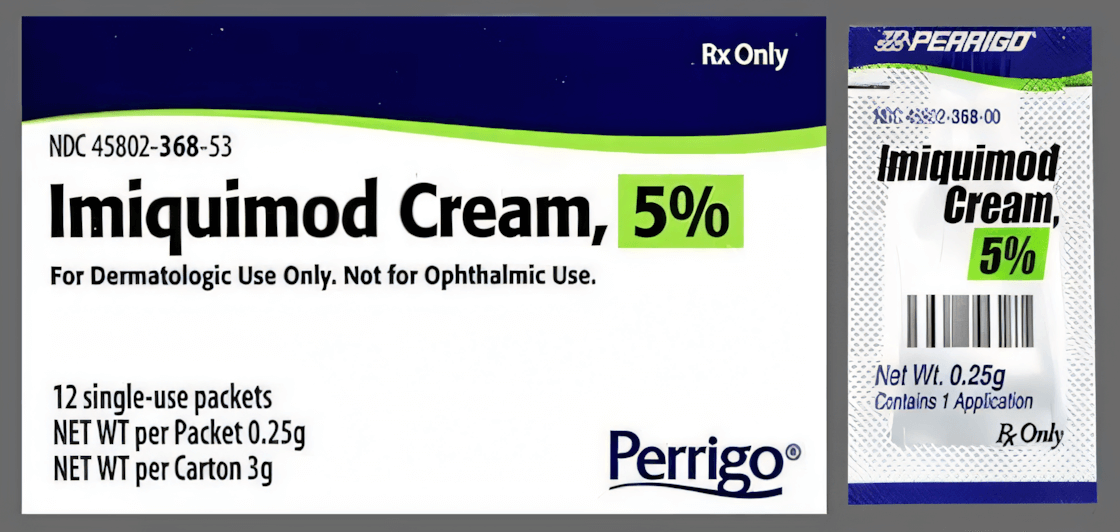
Imiquimod is available as topical ointments as of now, which Bekele hopes to transform into daily use body soaps for chronic use in BCC, SCC, Melanomas and other malignant and premalignant conditions of skin and adnexa.
Imiquimod is available in 2.5%, 3.75% and 5% concentrations as ointments.
Adverse Effects of Imiquimod
- When used to treat external anogenital warts, they are often mild and include erythema, edema, erosion, excoriation, induration, or scabbing.
- When used to treat actinic keratoses, reported local adverse effects of imiquimod cream include erythema, flaking, scabbing, edema, weeping, and erosion, but the presence of these reactions correlates with improved lesion clearance.
- Less common systemic adverse effects when 5% imiquimod cream was applied to the scalp, face, or upper extremity to treat actinic keratosis included flu-like symptoms, headache, fever, anorexia, somnolence, fatigue, nausea, myalgia, and diarrhea.
Ongoing Research
Lots of research is going on in order to extend the spectrum of conditions that topical imiquimod can be used to treat.
Some conditions that Imiquimod has shown excellent results in include:
- Nodular BCC
- Bowen’s disease/SCC in situ
- Invasive SCC
- Lentigo Maligna Melanoma (Superficial, dormant melanoma)
- Superficial spreading melanoma
- Extramammary Paget’s diseases of the Vulva
- Mycosis Fungoides (Cutaneous T-cell leukemia)
Topical extended release patches are also under research for constant controlled release of Imiquimod for chronic skin conditions.
What to expect?
Bekele is currently promoting his invention in various conferences and expects the soap to hit markets in about 8-10 years after getting approved by the FDA.
With SCC being the cancer to have seen the highest increment in cases over the last 30 years (310% increase from 1990 to 2017), an invention such as Bekele’s can exponentially increase patient compliance and convenience.
Credits
- Cover image X/@Goodable
 Amitesh
 Dhiren Bhardwaj
Content of this page is licensed under CC BY-NC 4.0.